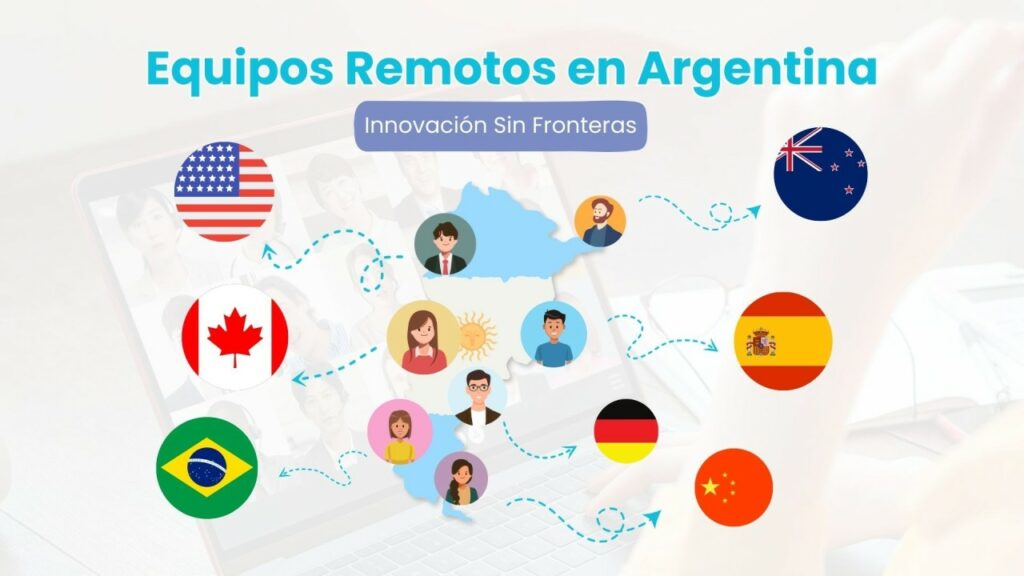
Today, more and more companies are taking advantage of the opportunity to expand and form remote teams around the world. These are organizations that transcend borders and create multicultural and diverse teams, where talent is the true protagonist, regardless of geographic location. In this context, Argentina has emerged as a strategic hub for global talent.
We spoke with Gonzalo Montenegro Operations Manager of an innovative startup based in San Francisco, USA, about how to build effective and multicultural teams in different parts of the world, including Argentina.
Gonzalo leads a team distributed in various parts of the world: Argentina, United States, Philippines, New Zealand, and Canada. In addition to having a remote team, the company has offices in the United States and the Philippines, which creates an interesting dynamic between those who work on-site and those who work from home.
We share with you some ideas that seem interesting for businesses that are encouraged to truly find the best talent regardless of borders.
Draining corporate culture in multicultural teams
One of the most fascinating points of the conversation was how corporate culture is transmitted in a multicultural and geographically distributed team. "In our case, the U.S. culture drains into Argentina," Gonzalo explained. This is facilitated because the engineering leaders are based in the U.S., which facilitates constant alignment with the company's culture and values.
While he noted that he does not see major cultural differences between the Argentine and U.S. teams (at least in this part of the U.S. that is San Francisco), he acknowledged that there are nuances. "They are very direct in saying things. Sometimes that can clash, but the important thing is not to take it personally. They are direct because they are looking to be efficient," he added. This hands-on approach is something Gonzalo values and tries to pass on to his team.
On the other hand, he also commented that "sometimes the formality that characterizes U.S. companies can contrast with the more relaxed approach in Argentina, but once trust and clarity in the processes is established, the Argentine team adapts quickly".
The importance of shared values in remote work
One of the big challenges of remote work is that daily face-to-face interactions are minimal or non-existent. This makes the alignment of values between the candidate and the company even more critical. Organizational culture, especially in distributed teams, is the glue that binds employees together, beyond geographic location. For a remote team to be successful, it is necessary for each member to identify with the company's values and be able to act autonomously but aligned to these principles.
Benefits of cultural diversity
Although we saw that the cultural differences are not drastic, he emphasized the benefits of having people from different cultures working together. "We have different lifestyles, we care about different things, and that brings varied points of view on similar issues," he said. This diversity enriches discussions and leads to more creative and effective solutions. "Having different views on the same problem makes you think beyond the obvious solution," she added.

The Advantages of Establishing Teams in Argentina
Throughout our conversation, Gonzalo highlighted some of the reasons why they decided to establish part of their team in Argentina. In addition to the high quality of talent, he mentioned the competitive cost of salaries and the ability of Argentine professionals to work in English as decisive factors. "Argentine talent is highly valued for its training and ability to adapt. In addition, the cost of hiring in Argentina is considerably lower compared to the United States," Gonzalo noted. This has allowed the company to access a pool of skilled talent at a more affordable cost, which is essential for expanding startups.
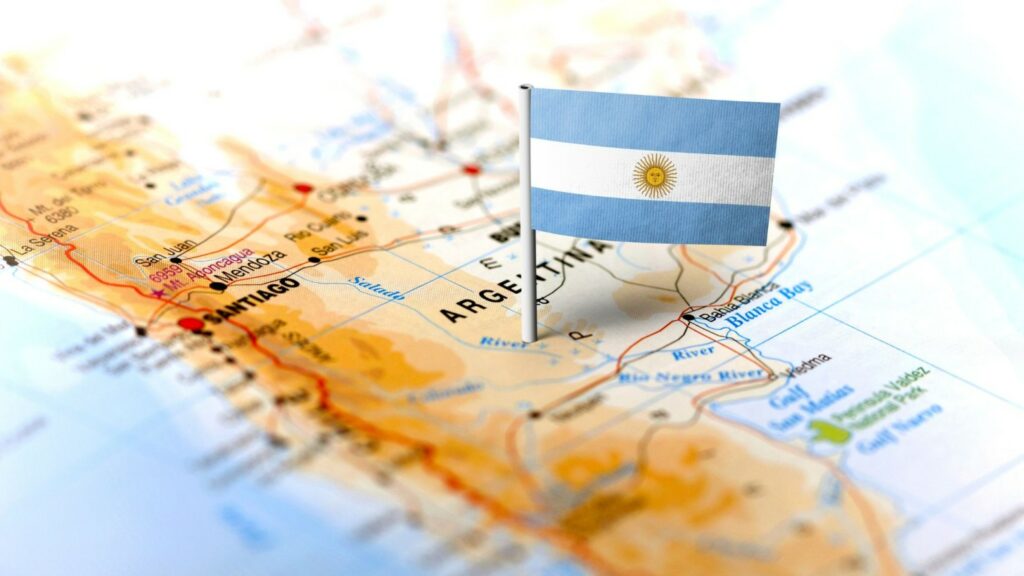
On the other hand, Argentina has a favorable time zone for North American and European companies, which allows a smooth collaboration without the complications of coordinating different schedules.
In our experience as recruiting experts in Argentina, we have seen how companies that invest in Argentine talent not only achieve cost efficiencies, but also gain a workforce that is motivated, flexible and able to contribute in an innovative way.
Challenges in the Selection Process
An important point that is often underestimated is interview preparation, especially in the context of international teams or startups. Despite technical skills, lack of preparation can be one of the main reasons why candidates lose opportunities.
A person who shows up for an interview without having done a minimum of research on what the company is about, what impact it is trying to generate, what values it has, is a candidate who is not interesting for this type of company. Proper preparation not only shows commitment, but also that the candidate is aligned with the mission and values of the company, something essential in startups where the purpose is often more important than the salary.
On the other hand, proficiency in the English language is a must. There are two interesting phrases, "Language kills experience" but "Attitude kills language". Both are true and important. In these roles in direct communication with the United States, the language has to be there and even if you have the perfect experience, if the language is not there, there is no chance of getting in. But then, if the language skills are intermediate, if the person can communicate his ideas in a clear way, it is not necessary to have a super advanced Proficiency level.
A Promising Future for Talent in Argentina
As more companies look to expand and establish remote teams, Argentina continues to emerge as a strategic talent hub for global organizations.
At We Global Talent, we are committed to being the bridge that connects foreign companies with Argentine talent, overcoming cultural barriers and fostering long-lasting and productive working relationships.
Do you want to share with us your experience and challenges leading or being part of multicultural work teams? You can leave us your comment below.